
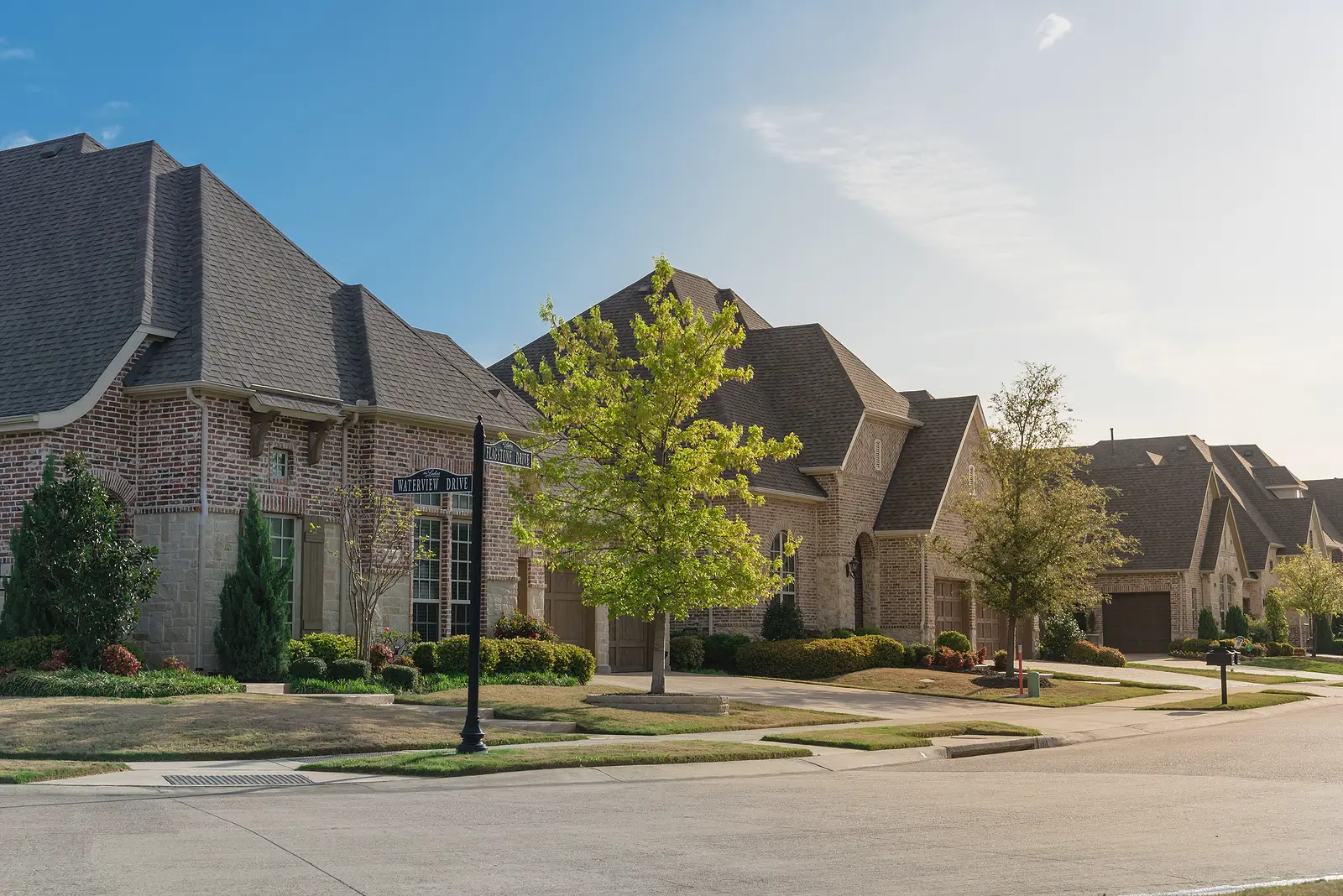
A neighborhood can quickly lose its sense of cooperation when residents feel every HOA decision comes without flexibility or discussion. Homeowners usually accept the need for rules that protect shared spaces and property values, though frustration grows when enforcement feels disconnected from everyday circumstances. Once residents believe policies are applied mechanically, even routine violations can create larger disagreements across the community.
Boards throughout Los Angeles often face pressure from both sides. Residents expect fairness and consistency, while associations must still account for situations that require reasonable judgment. Through our board transition guidance, we help communities create stronger leadership continuity while improving communication between homeowners and board members.
Communities operate more smoothly when enforcement supports long-term trust instead of short-term control. That balance helps associations maintain standards without damaging resident relationships.
Key Takeaways
- HOA enforcement works best when residents understand both the rules and the reasoning behind them.
- Strict enforcement without flexibility can increase disputes and reduce homeowner cooperation.
- Clear communication helps associations prevent misunderstandings before conflicts escalate.
- Structured exception policies allow boards to address real-life situations fairly.
- Consistent leadership and organized processes strengthen long-term community trust.
Why Residents Closely Examine HOA Enforcement Decisions
Homeowners naturally observe how associations apply community rules. Once a board establishes predictable enforcement patterns, residents expect similar treatment across every situation.
Expectations Rise Alongside Consistency
Fairness becomes a major concern when homeowners compare how violations are handled throughout the neighborhood. Even small differences in enforcement can create suspicion if residents do not understand why decisions have changed.
Financial matters often create the strongest reactions because penalties directly affect homeowners. Communities benefit from clear processes that keep collections and enforcement organized without increasing hostility. Our dues collection support helps Los Angeles associations approach these situations more professionally and consistently.
Community Dynamics Change Over Time
As residents pay closer attention to enforcement, neighborhood interactions can become more critical. Homeowners may begin reporting smaller violations more frequently, especially when tensions already exist within the community.
That shift slowly changes the atmosphere from collaborative to confrontational. Residents become more focused on enforcement outcomes than on maintaining positive relationships with neighbors.
Research from the Foundation for Community Association Research shows that 86% of residents in community associations report positive or neutral experiences. Strong communication and reasonable enforcement practices play a major role in maintaining that satisfaction.
Real-Life Situations Rarely Fit Perfectly Into HOA Policies
Written rules create structure, though real situations often involve details that policies cannot fully anticipate. Boards that fail to recognize those circumstances sometimes create larger problems from smaller violations.
Personal Challenges Affect Compliance
Residents may experience unexpected delays involving maintenance work, paperwork submissions, or financial obligations. Medical emergencies, contractor shortages, travel complications, or family responsibilities can temporarily affect compliance.
When associations immediately move toward penalties without discussion, homeowners may feel dismissed rather than supported. That frustration often creates resistance that extends beyond the original issue.
Generic Notices Often Increase Frustration
Many residents react negatively to violation notices because the communication feels abrupt or impersonal. Standardized letters may explain the violation itself without providing enough context about the purpose behind the policy.
Communities improve compliance when homeowners understand why rules exist and how they protect neighborhood standards. Our HOA compliance programs help Los Angeles boards create more organized communication systems that reduce misunderstandings before they escalate.
Low Engagement Creates Bigger Problems
Residents who rarely attend meetings or review association updates may feel disconnected from board decisions. Without regular communication, homeowners often fill information gaps with assumptions instead of accurate information.
That disconnect increases frustration because enforcement begins feeling personal instead of procedural.
Over-Enforcement Can Reduce Voluntary Cooperation
Communities function more effectively when residents willingly follow standards. Excessive reliance on warnings, fines, or repeated notices can slowly damage that cooperation.
Residents May Feel Constantly Targeted
Overly aggressive enforcement sometimes creates the impression that boards are searching for violations instead of supporting the neighborhood. Homeowners may become defensive, even when policies are reasonable.
Common warning signs include:
- Increased homeowner complaints
- Delayed responses to notices
- More disputes involving fines
- Lower meeting participation
- Growing tension between neighbors
These issues often develop gradually before affecting the broader community atmosphere.
Industry data also highlights how demanding enforcement management has become. Many HOA managers oversee 42 active violation cases at one time, which increases administrative pressure and reduces opportunities for personalized communication.
Communication Style Influences Resident Reactions
The tone used in enforcement matters almost as much as the violation itself. Respectful communication helps residents stay cooperative, while harsh or overly formal notices usually create defensiveness.
Effective enforcement communication should remain:
- Clear and specific
- Professional without sounding cold
- Focused on solutions
- Timely without feeling aggressive
Our community grievance strategies help associations manage resident concerns more constructively while preserving stronger neighborhood relationships.
Flexible Policies Improve Long-Term Enforcement Outcomes
Strong HOA leadership requires structure, though flexibility also plays an important role in maintaining fairness across the community.
Define Clear Conditions for Exceptions
Boards benefit from written policies explaining when exceptions may apply. Structured flexibility prevents confusion while helping residents understand that special consideration follows consistent guidelines rather than favoritism.
Clear expectations also protect associations when residents question enforcement decisions later.
Maintain Thorough Documentation
Written records help boards explain why decisions were made and preserve consistency during leadership changes. Documentation becomes especially important when communities experience board turnover or policy adjustments.
Organized records support fairness because future decisions can reference previous situations accurately.
Preventive Communication Reduces Violations
Many enforcement issues can be avoided before they begin. Communities experience fewer disputes when boards communicate expectations consistently throughout the year.
Helpful preventive communication may include:
- Seasonal reminders
- Maintenance updates
- Policy clarification emails
- Community newsletters
Our association's FAQ resources help residents better understand HOA procedures, responsibilities, and enforcement expectations before misunderstandings develop.
Leadership Preparation Helps Boards Handle Enforcement More Effectively
Board members regularly manage difficult conversations involving rules, finances, and homeowner expectations. Training and organizational support improve those decisions significantly.
Educated Boards Make Better Decisions
Associations benefit when board members understand both operational responsibilities and resident communication strategies. Strong preparation helps leaders remain professional during emotionally charged situations.
Communities also experience fewer disputes when boards apply standards consistently over time.
Organized Oversight Strengthens Compliance
Routine inspections and clear procedures help associations maintain fairness while reducing claims of selective enforcement. Residents respond more positively when expectations remain visible and organized throughout the community.
Our inspection coordination services support Los Angeles associations by identifying issues early and helping boards communicate concerns more effectively with homeowners.
Consistent Leadership Builds Resident Confidence
Residents feel more secure when associations maintain stable leadership and transparent decision-making processes. Communities often experience smoother operations when boards communicate openly about policies and enforcement expectations.
Our community inspection support helps associations maintain neighborhood standards while reducing unnecessary conflict between residents and leadership teams.
FAQs about HOA Rule Enforcement in Los Angeles, CA
Why do residents sometimes challenge HOA enforcement decisions?
Residents often challenge decisions when communication feels unclear, inconsistent, or overly strict. Homeowners respond more positively when associations explain policies thoroughly and provide reasonable opportunities for discussion before penalties escalate further.
Can flexible enforcement still protect community standards?
Yes. Structured flexibility allows boards to address unique situations while maintaining fairness throughout the neighborhood. Clear documentation and consistent guidelines help associations protect standards without creating unnecessary frustration among residents.
How can HOA boards improve communication with homeowners?
Boards improve communication by sending timely updates, explaining policies clearly, and responding respectfully to resident concerns. Preventive communication often reduces misunderstandings and helps homeowners cooperate more willingly during enforcement situations.
What causes enforcement disputes to escalate quickly?
Disputes usually escalate when residents feel ignored, confused, or unfairly targeted. Generic notices, delayed responses, and inconsistent explanations often increase tension before productive conversations can take place between homeowners and associations.
How often should HOA enforcement policies be reviewed?
Associations should review enforcement policies regularly to ensure procedures remain practical, clear, and aligned with current community expectations. Routine evaluations also help boards identify outdated processes that may create unnecessary resident frustration.
A Clearer Path to Resident Confidence in Los Angeles HOAs
Neighborhood standards matter because they protect shared spaces, property values, and long-term community stability. Still, enforcement becomes far more effective when residents feel respected throughout the process instead of pressured by automatic penalties and inflexible communication.
Communities in Los Angeles benefit most when associations combine structure with practical judgment. Boards that communicate clearly, document decisions carefully, and approach homeowners professionally often experience fewer disputes and stronger resident cooperation over time.
At PMI LA Pacific, we help associations strengthen enforcement systems while maintaining healthier relationships throughout the community. Our experience with inspections, compliance management, and operational support allows boards to navigate difficult situations with greater consistency and transparency.
If your community wants a stronger approach to fair enforcement and resident communication, strengthen your compliance process with PMI LA Pacific to create clearer expectations, reduce resident disputes, and support more consistent community standards across your association.
